

Source credit: Based on the American College of Sports Medicine news release, “New ACSM Expert Consensus Statement: Exercise is a Supportive Care Measure for Children and Adolescents with Cancer”, published June 16, 2026.
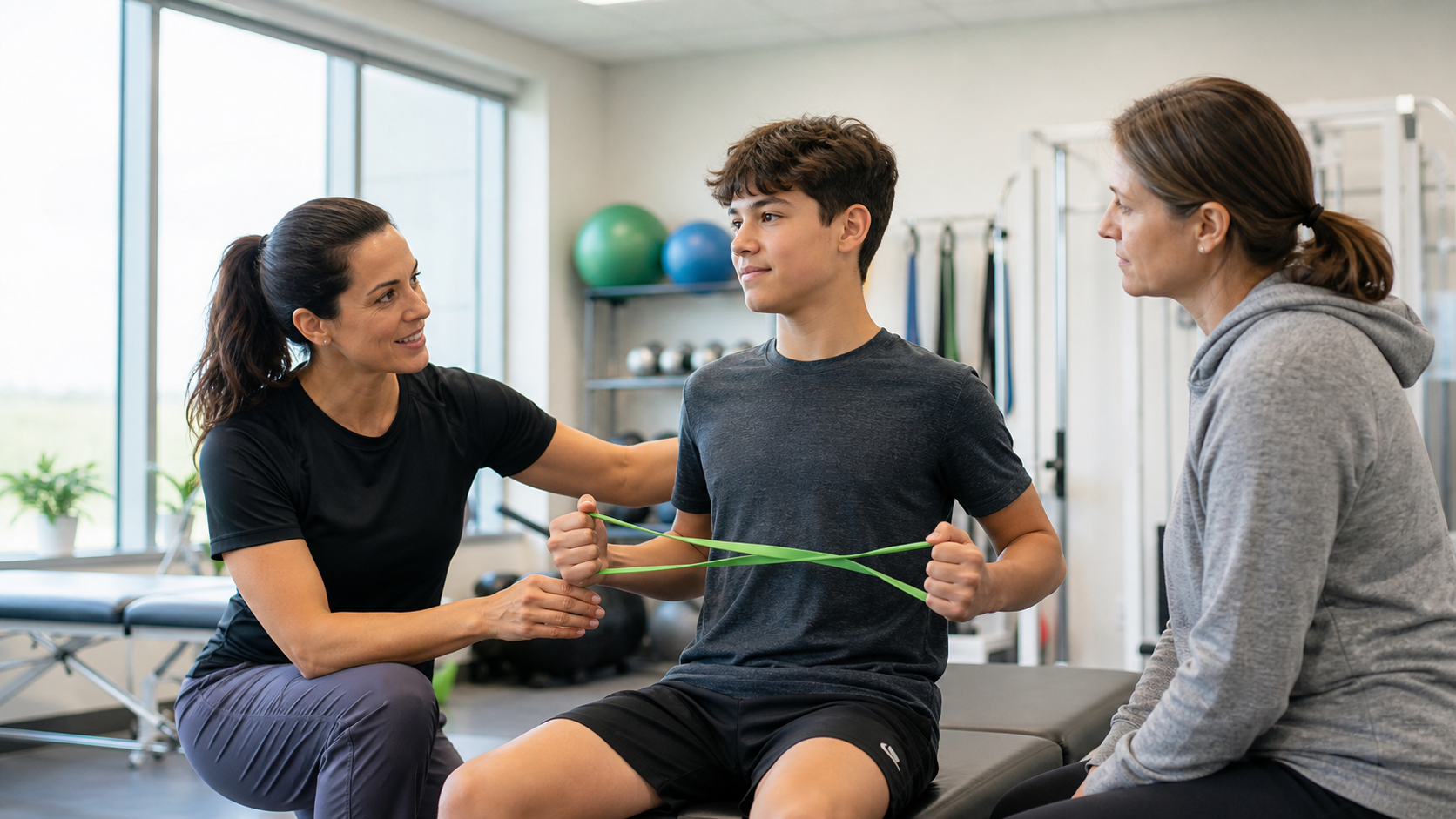
The American College of Sports Medicine says children and adolescents going through cancer treatment should not be treated as if rest is the only default. Its new expert consensus statement says appropriately prescribed exercise can be safe and feasible during and after treatment, and may improve muscle strength, physical function, and cardiorespiratory fitness in selected groups when supervised and individualized.
The statement, published in Medicine & Science in Sports & Exercise, reviewed a large body of pediatric oncology exercise evidence and translated it into practical FITT-style guidance: frequency, intensity, time, and type. ACSM emphasizes that the goal is not generic gym motivation. It is coordinated supportive care, matched to the child’s diagnosis, treatment phase, symptoms, blood counts, and medical team guidance.
Why it matters for lifters
For strength athletes and coaches, the takeaway is a reminder that resistance training is a medical-grade tool when the context demands it. The same principles that matter in a gym program – progression, recovery, movement quality, and individual tolerance – become even more important when training supports recovery from serious illness.
The guidance also reinforces a broader point for lifters: muscle strength and physical function are health outcomes, not just performance markers. When exercise is prescribed carefully, strength work can help preserve capacity in populations that were historically told to avoid exertion.
What to watch next
ACSM notes that important research gaps remain, including cardiac health, bone health, immune function, fatigue, sleep, and cognitive outcomes. The practical next step is whether hospitals, oncology teams, and qualified exercise professionals can turn the consensus into accessible programs without asking families to manage complex exercise decisions on their own.
Health disclaimer: This article is for informational purposes only and is not medical advice. Children, adolescents, cancer survivors, and anyone undergoing treatment should follow their oncology team and qualified clinical exercise professionals before starting or changing an exercise program.