

Source credit: Based on a PubMed-indexed systematic review and multilevel meta-analysis in the Journal of the International Society of Sports Nutrition: PubMed PMID 42323844 and DOI 10.1080/15502783.2026.2692016.
A new sports nutrition review reports that acute caffeine intake was associated with improved swimming performance across randomized placebo-controlled crossover trials, but the authors also flagged meaningful study-to-study variation.
The review included 13 studies with competitive swimmers and 28 performance effect sizes. In the pooled analysis, caffeine was linked with a moderate performance benefit and an estimated 1.7 percent improvement when results were converted into an interpretable percentage-change metric. Post-test blood lactate was also higher in the caffeine conditions.
The authors explored whether dose, event distance, timing, caffeine form, stroke, sex, and athlete level changed the results. A larger pooled effect appeared in studies using at least 6 milligrams per kilogram, but the paper describes these subgroup findings as exploratory and in need of more research.
Why it matters for lifters
Caffeine is already common in pre-workout routines, but this review is useful because it separates a sport-specific performance signal from broad marketing claims. The strongest evidence here is for swimming performance, not a blanket promise that caffeine will improve every set, lift, or conditioning session.
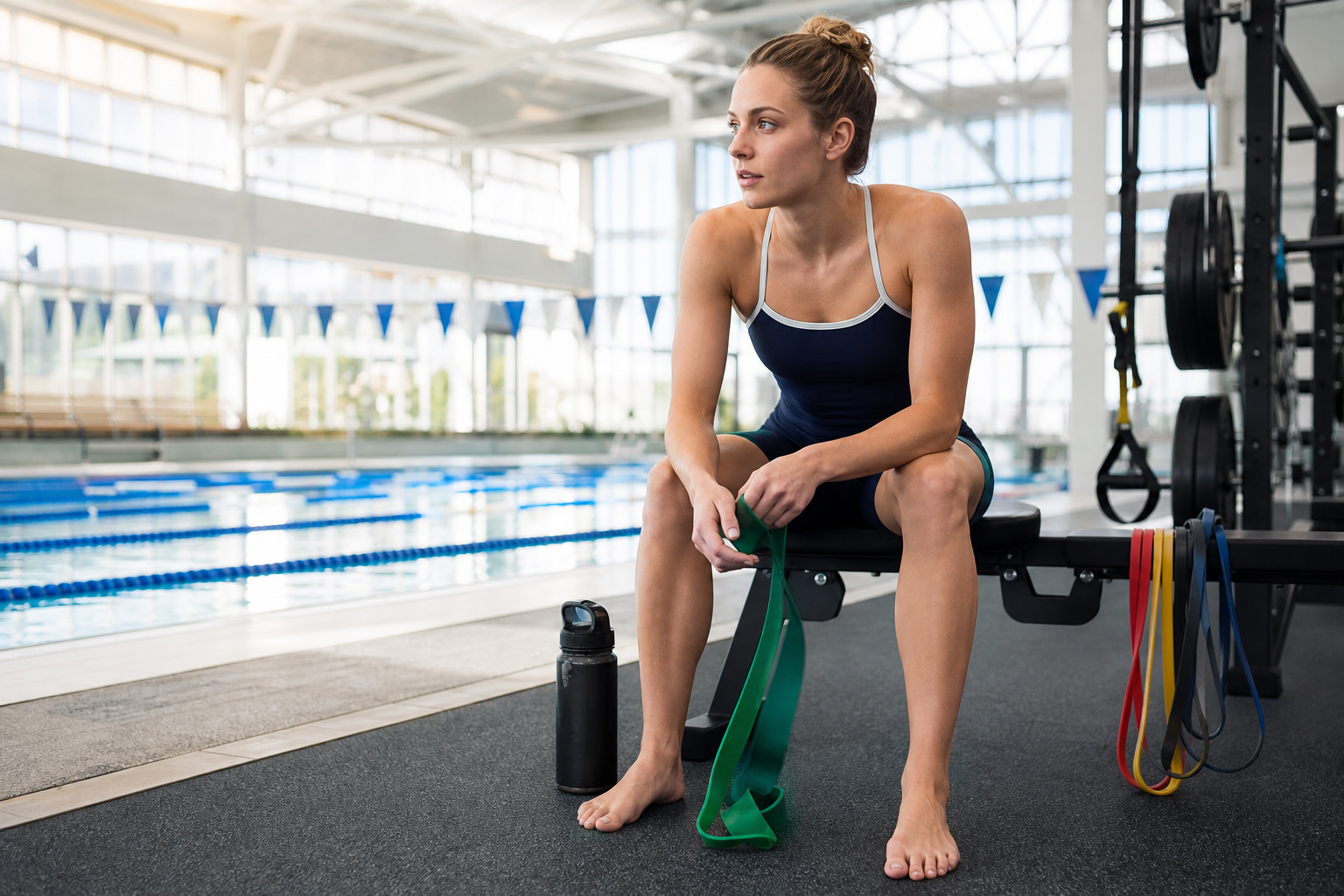
For lifters, the carryover is most relevant to hybrid training: repeated hard efforts, short-rest conditioning, pool work, or sessions where perceived effort and fatigue management matter. It also reinforces the need to test caffeine carefully in training before relying on it in competition, because tolerance, sleep, anxiety, heart rate, gastrointestinal comfort, and timing can all change the real-world result.
What to watch next
Future research should test more women, compare lower and moderate caffeine approaches, and study strength-plus-conditioning sessions that look more like modern gym programming. It would also help to know whether habitual caffeine intake changes the response in trained athletes.
Until then, the practical takeaway is measured: caffeine may help certain performance contexts, but the evidence does not support treating higher intake as automatically better or risk-free.
Health disclaimer: This article is for informational purposes only and is not medical advice. Talk with a qualified health professional before changing supplements, training, or treatment plans, especially if you have a medical condition, take medication, are pregnant, or are preparing for competition.