

Source: PubMed record for European Journal of Sport Science systematic review and meta-analysis; DOI: 10.1002/ejsc.70194; free full text: PMC13240521.
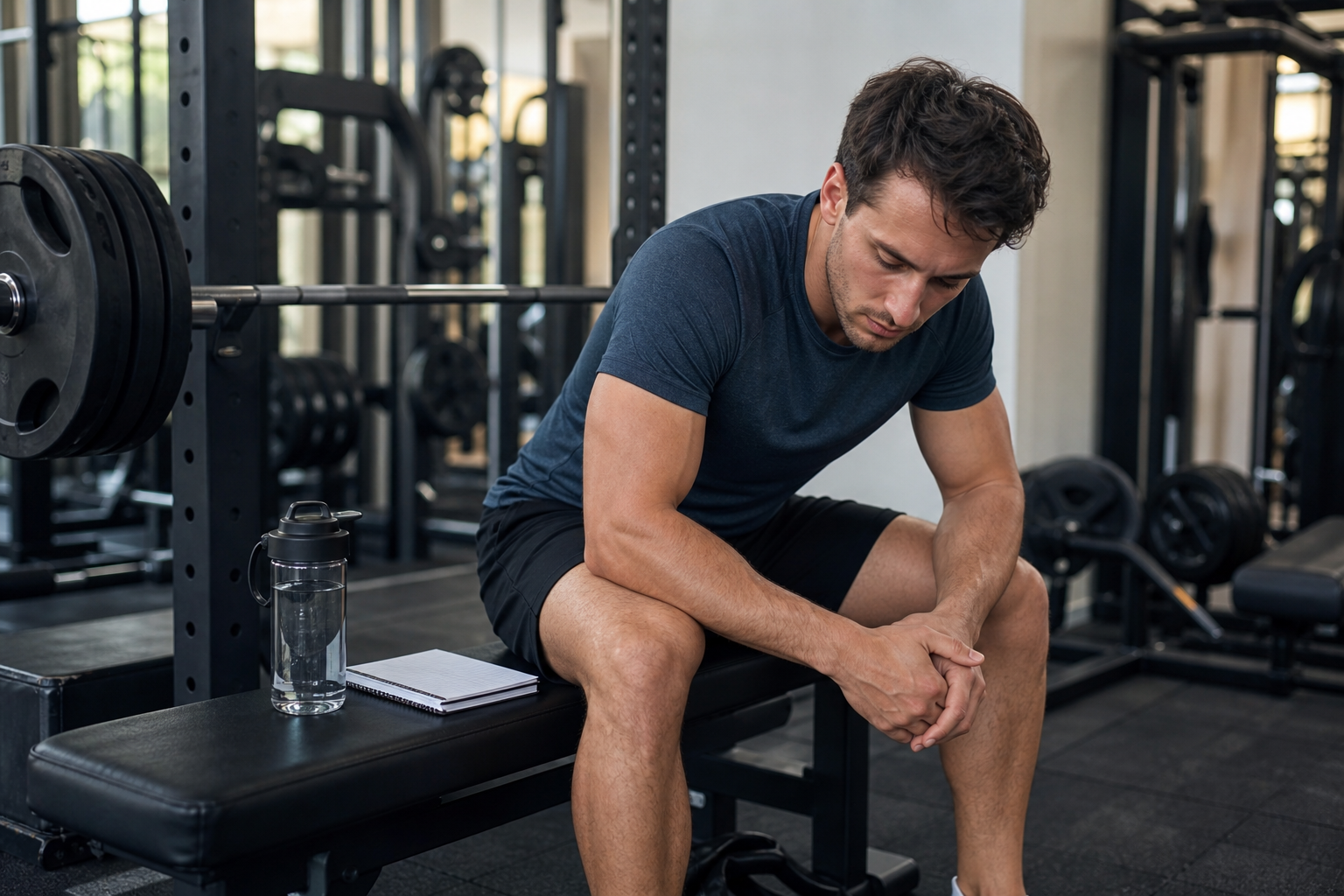
A new systematic review and meta-analysis in the European Journal of Sport Science reports that mental fatigue before lifting may reduce resistance-exercise volume. The review pooled randomized trials in healthy participants where a demanding cognitive task was compared with a passive or lower-demand control before a resistance-training performance task.
The main analysis found a negative effect of cognitive effort on resistance-exercise volume. The authors reported that multijoint exercises, moderate-intensity loads, and higher-volume sessions appeared more vulnerable, but they also cautioned that parts of the evidence base remain low quality and should not be treated as a final answer.
Why it matters for lifters
For lifters chasing progressive overload, total quality work matters. This review supports a practical point many athletes already notice: arriving at hard compound lifts after heavy screen work, stressful decision-making, or prolonged mentally demanding tasks may make it harder to complete planned volume.
The takeaway is not to skip training after a hard workday. It is to place the most technical or highest-priority lifts where focus is best when possible, keep rest periods honest, and avoid mistaking a mentally drained low-volume session for a failed program.
What to watch next
Watch for larger trials in trained lifters that compare real-world mental fatigue sources, such as work tasks or smartphone use, with normal pre-workout routines. The most useful next studies would track not only reps and load, but also bar speed, perceived effort, sleep, and whether simple warm-up or recovery strategies can offset the effect.
Health disclaimer: This article is for informational purposes only and is not medical advice. If fatigue, dizziness, pain, or unusual performance drops are persistent, speak with a qualified health professional before changing training or supplement routines.