

Source credit: PubMed / BMC Sports Science, Medicine and Rehabilitation. DOI: 10.1186/s13102-026-01841-3.
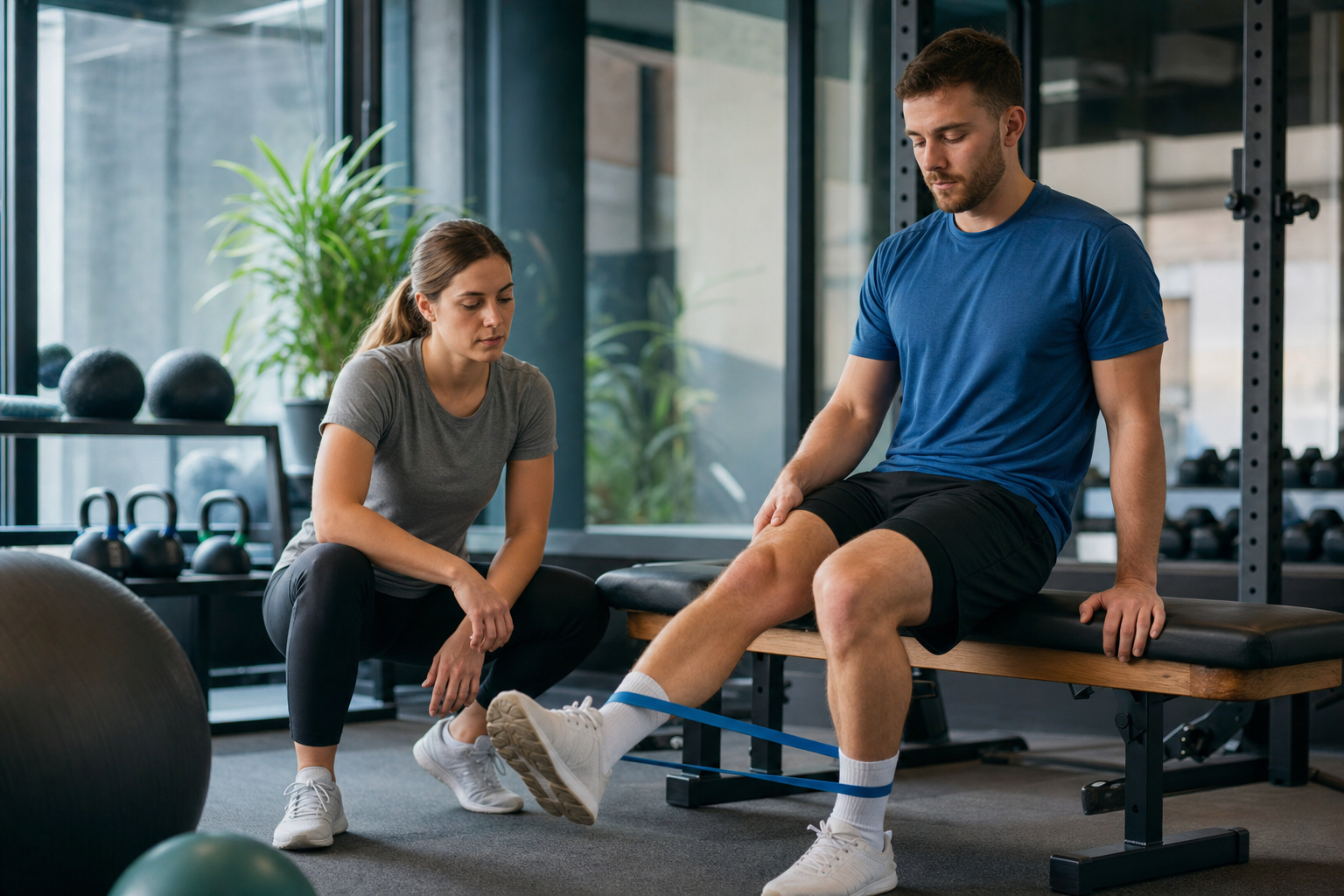
Short summary: A June 30 randomized clinical trial in BMC Sports Science, Medicine and Rehabilitation reports that a six-week preoperative exercise program before anterior cruciate ligament reconstruction was linked with better recovery markers after surgery. The multicenter trial randomized 53 ACL rupture patients to conventional care or conventional care plus preoperative exercise rehabilitation before reconstruction.
Compared with the control group, the exercise-rehabilitation group had higher lateral femoral condyle bone mineral density at three and six months after surgery. The study also reported lower graft signal/noise quotient values at later follow-ups, a sign the authors interpreted as better tendon-bone healing, plus better quadriceps and hamstring relative peak torque, balance score, Lysholm score, and IKDC score at six months.
The result is promising, but it should be read as supervised clinical rehab evidence, not a do-it-yourself ACL plan. The trial was modest in size, involved surgical patients, and does not replace individualized care from an orthopedic surgeon, physical therapist, or sports medicine clinician.
Why it matters for lifters
For lifters, field athletes, and physique competitors, the useful takeaway is that recovery can start before surgery when a medical team clears it. Maintaining controlled strength, mobility, and neuromuscular work may help protect the knee environment instead of waiting passively for the operation and then starting from zero.
The study also reinforces a practical point for serious training: joints, tendons, bone, and muscle recover on different timelines. A leg can feel stronger before graft maturation, cartilage status, or tendon-bone healing has fully caught up, which is why return-to-sport decisions need more than a single strength test or pain check.
What to watch next
Watch for larger trials that compare specific prehab prescriptions, including resistance exercise dosage, balance work, range-of-motion goals, and whether athletes with different graft types respond differently. The most useful follow-up would connect preoperative rehab to return-to-lifting progression, reinjury risk, and long-term knee function.
Health note: This article is informational and is not medical advice. Consult a qualified professional for medical, injury, nutrition, supplement, or individualized training decisions.