

Source credit: Based on a PubMed-indexed study in the Journal of the International Society of Sports Nutrition: PMID 42247558; DOI: 10.1080/15502783.2026.2682313.
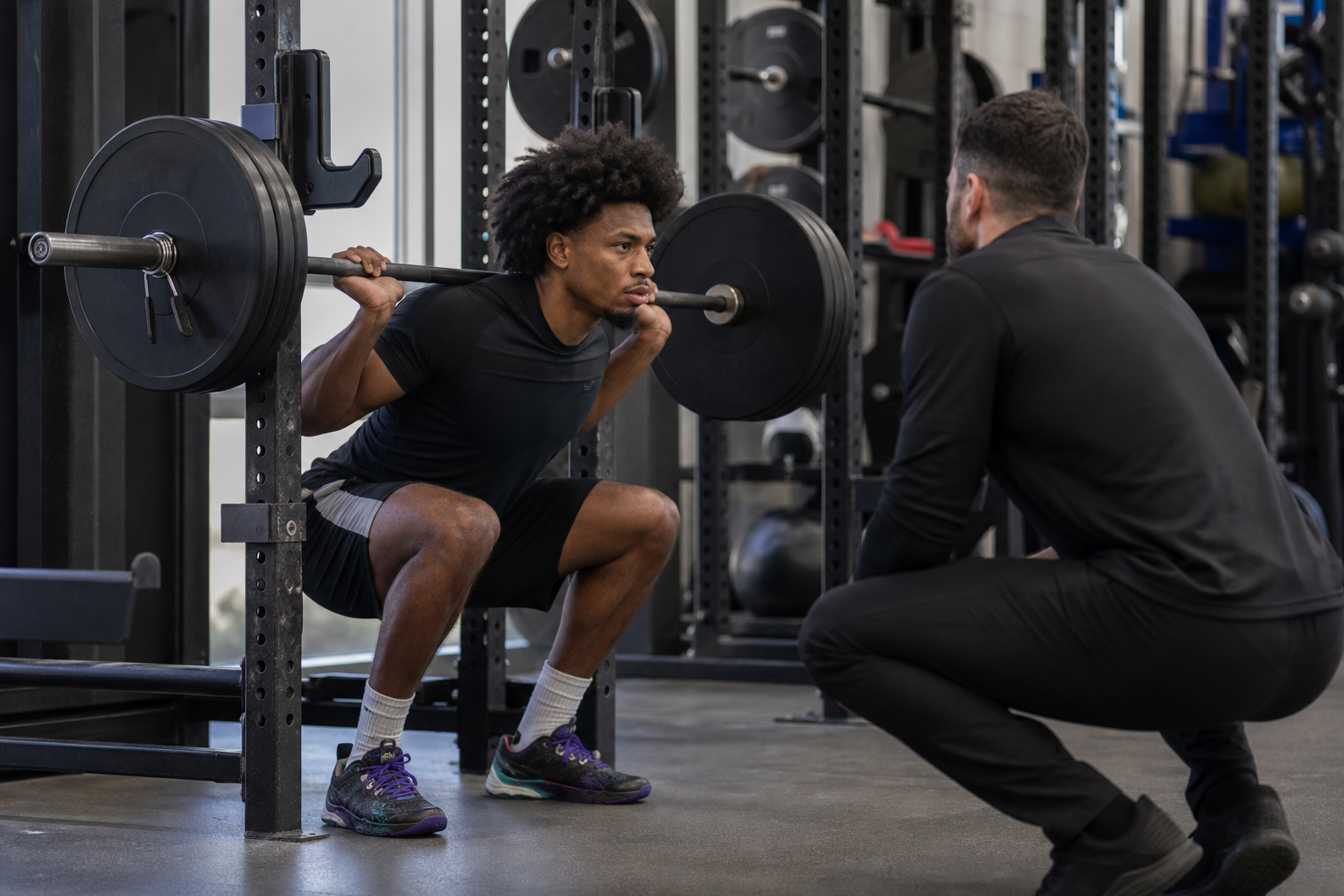
A new randomized crossover study in 15 male basketball players found that caffeine gum taken before a standardized resistance-priming session was linked with better same-day neuromuscular performance compared with placebo. The athletes chewed gum providing either 3 mg/kg or 6 mg/kg of caffeine before a squat-based priming protocol, then completed tests including strength, jump, sprint, and agility measures.
The main takeaway is narrow: the caffeine conditions outperformed placebo about one hour after the priming session, but the advantage did not carry through at 24 or 48 hours. The two caffeine doses also did not clearly separate from each other in the reported outcomes.
Why it matters for lifters
For gym athletes, the study supports a practical but limited idea: caffeine timing may help some lifters feel sharper for a same-day power or speed session when paired with a structured warm-up. It does not prove that more caffeine is better, that caffeine gum is required, or that a stimulant can replace sleep, nutrition, or sensible programming.
The study also had a small sample, included only male basketball players, and tested caffeine inside a specific resistance-priming setup. Lifters should be careful about applying the result to bodybuilding hypertrophy sessions, late-night training, caffeine-sensitive athletes, or people with medical reasons to limit stimulants.
What to watch next
The useful follow-up question is whether similar same-day effects show up in larger studies with female athletes, different training backgrounds, lower caffeine doses, and direct comparisons against caffeine capsules, coffee, and no resistance-priming condition. It would also help to know whether perceived readiness improves without raising sleep disruption or anxiety for athletes who train later in the day.
Health disclaimer: This article is for informational purposes only and is not medical advice. Talk with a qualified healthcare professional before changing caffeine intake, supplement use, or training practices, especially if you have a heart condition, anxiety disorder, sleep problem, pregnancy-related concern, or take medications that interact with stimulants.