

Source: PubMed record for a Journal of Sports Medicine and Physical Fitness commentary; DOI: 10.23736/S0022-4707.26.17836-0.
A new PubMed-indexed commentary argues that CrossFit research needs tighter sport-specific methods before coaches, athletes, or readers turn single studies into sweeping training rules. The paper reviews common gaps in the literature, including inconsistent terminology, broad participant descriptions, testing that may not match the sport’s demands, and limited use of coach-informed training-monitoring context.
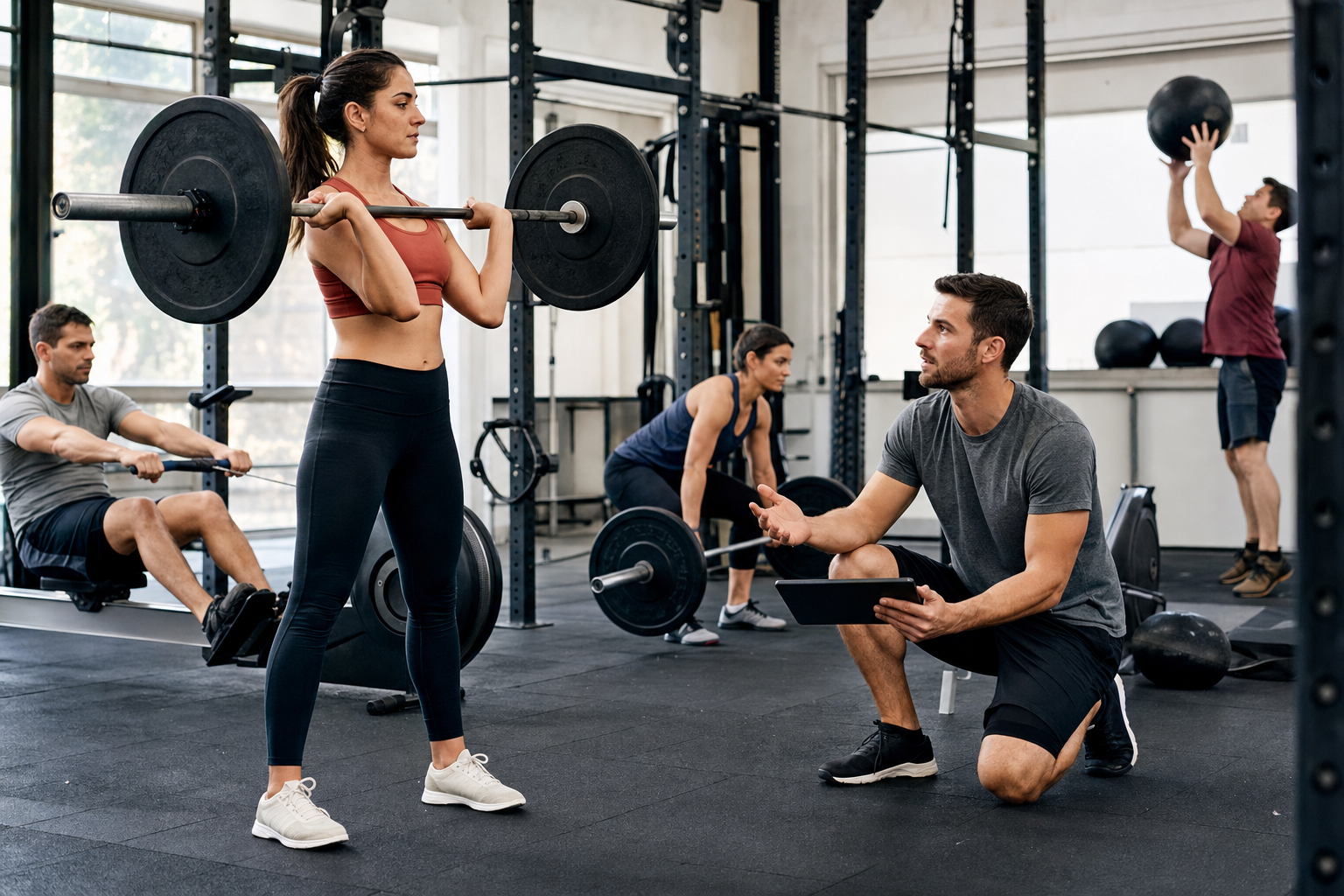
The authors also interviewed five national- and international-level CrossFit coaches. According to the abstract, those coaches leaned heavily on competition results, training observation, and subjective athlete feedback rather than relying mainly on standardized testing or technology-based monitoring. The paper frames that as a practical gap for research: if studies do not reflect how the sport is coached and measured, their conclusions may be harder to apply.
Why it matters for lifters
CrossFit-style training blends strength, power, gymnastics skill, conditioning, pacing, and fatigue management. That makes simple lab tests or generic “trained athlete” labels less useful than they might be in a single-lift strength study. For lifters, the takeaway is not that research should be ignored. It is that programming decisions should weigh study design, athlete level, workout context, recovery demands, and coaching feedback before changing training based on one headline.
What to watch next
Look for future CrossFit and functional-fitness studies that clearly define participant experience, use sport-relevant performance tests, track actual training load, and report how coaches interpret the data. Better research would help separate useful monitoring signals from noise, especially for athletes balancing heavy barbell work with high-skill and high-conditioning sessions.
This article is for informational purposes only and is not medical advice. Lifters with injuries, medical conditions, or unusual symptoms should consult a qualified health professional before changing training, testing, or recovery practices.