

Source: PubMed record for Sports Health cycling time-trial study; DOI: 10.1177/19417381261455569.
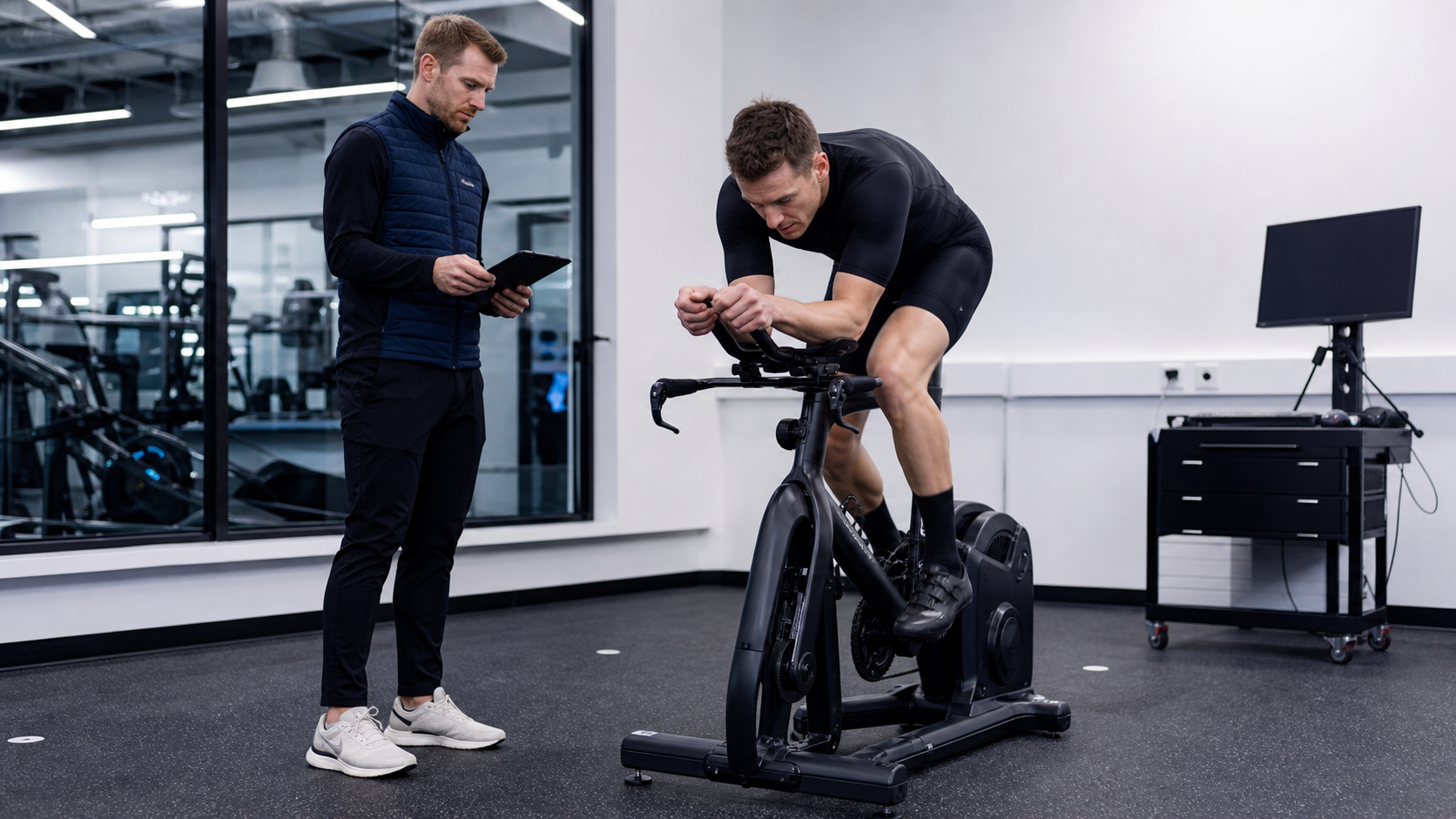
A new Sports Health study looked at pacing profile, risk-taking behavior, and reliability during a 4-km cycling time trial. The researchers had 32 cyclists, including 16 men and 16 women, complete two separate 4-km time trials while power output and ratings of perceived exertion were tracked.
The study found that men and women showed similar pacing profiles, similar risk-taking behavior, and similar overall endurance performance reliability across the two tests. Both groups used a U-shaped pacing pattern. The authors also reported that pacing profile variability from day to day was slightly greater in women, based on power-output distribution coefficients of variation.
Why it matters for lifters
Most lifters are not running 4-km cycling tests, but the lesson carries over to conditioning blocks, repeated sprint sessions, and performance checks done alongside strength work. A single time-trial number can be useful, but pacing, perceived effort, and day-to-day variability can change how that number should be read.
For athletes who use bikes, rowers, sleds, or intervals to support bodybuilding or strength goals, the practical takeaway is to keep test conditions consistent. Warm-up, sleep, prior lifting volume, menstrual-cycle context when relevant, and how hard the opening segment is pushed can all affect whether a repeat test reflects real fitness change or normal variability.
What to watch next
Watch for larger studies in trained athletes that compare pacing reliability across more sessions, different conditioning tools, and mixed strength-endurance programs. The most useful follow-up for gym athletes would pair time-trial data with recovery markers, lifting performance, and coach-guided pacing targets.
Health disclaimer: This article is for informational purposes only and is not medical advice. If chest pain, dizziness, unusual shortness of breath, fainting, or persistent fatigue occurs during hard conditioning, stop the session and speak with a qualified health professional.