

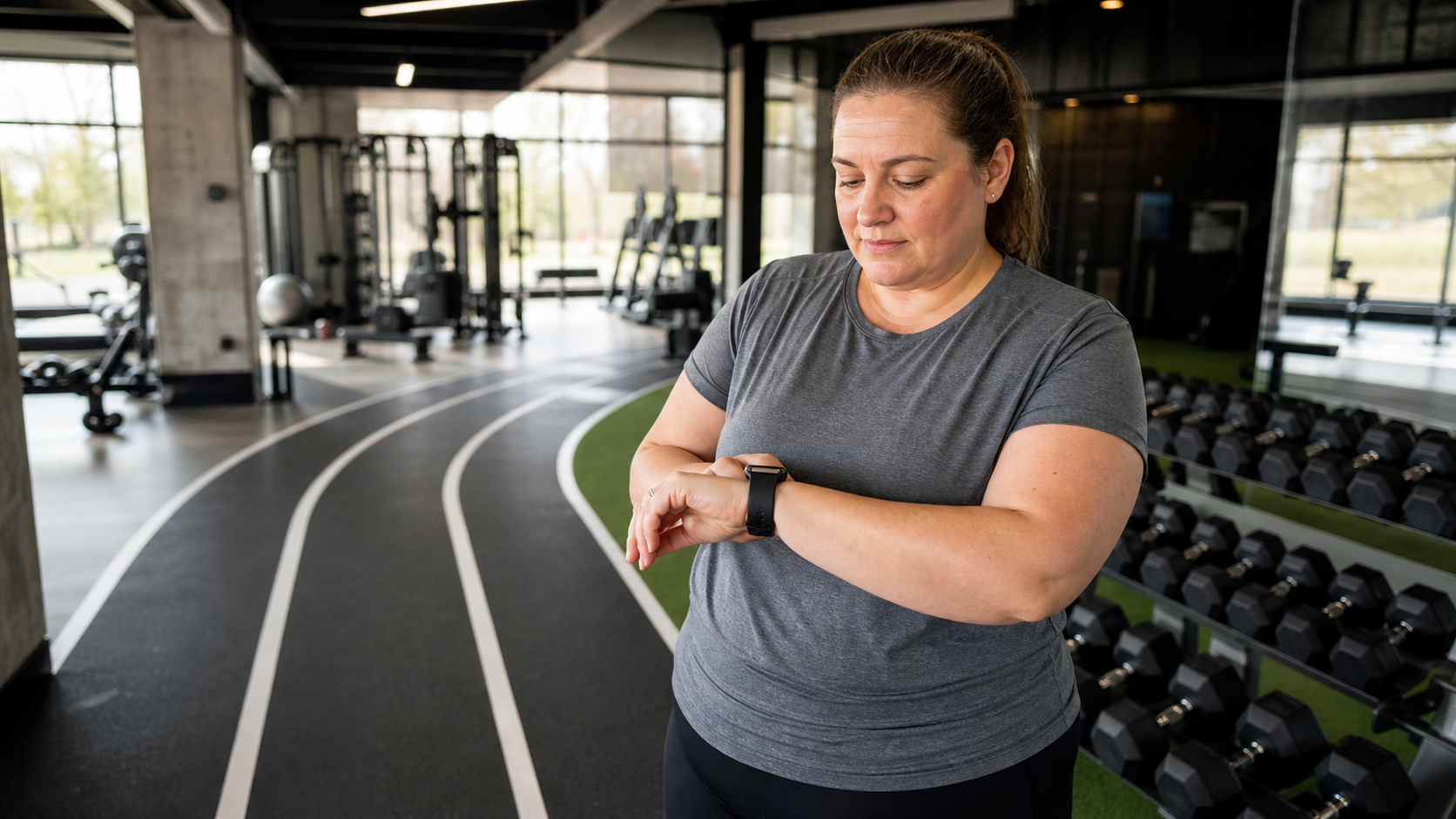
Source credit: ScienceDaily / The Endocrine Society – People taking GLP-1 weight loss drugs like Ozempic started moving less.
Summary: Research presented at ENDO 2026 and summarized by ScienceDaily found that adults with obesity who started GLP-1 medications lost weight but also logged fewer daily steps and less moderate-to-vigorous physical activity afterward. The analysis used NIH All of Us Research Program records and wearable data, with 753 participants included in the final Fitbit-based analysis. Average steps and exercise minutes declined after medication start, which matters because weight loss can include lean mass as well as fat mass.
Why it matters for lifters
- Weight loss is not the whole scoreboard: Preserving strength, lean mass, and daily movement matters during medically supervised weight loss.
- Appetite changes can change routines: If medication makes eating and body weight easier to manage, training and step goals may still need intentional planning.
- The finding is not anti-medication: It is a reminder that pharmacologic weight loss and physical activity programs may need to be coordinated rather than treated as separate tracks.
What to watch next
- Watch for peer-reviewed publication details on strength outcomes, lean-mass changes, and whether resistance training offsets activity declines.
- Watch whether clinicians start pairing GLP-1 prescriptions with structured activity targets, protein guidance, and progressive resistance training.
- If social media frames GLP-1s as replacing exercise, compare that claim with the muscle-preservation concern raised by this activity data.
Health disclaimer: This article is for informational purposes only and is not medical advice. GLP-1 medications, weight-loss treatment, activity targets, and nutrition changes should be discussed with qualified medical professionals.