

Source credit: Based on a PubMed-indexed systematic review and network meta-analysis in BMC Sports Science, Medicine and Rehabilitation, DOI 10.1186/s13102-026-01827-1.
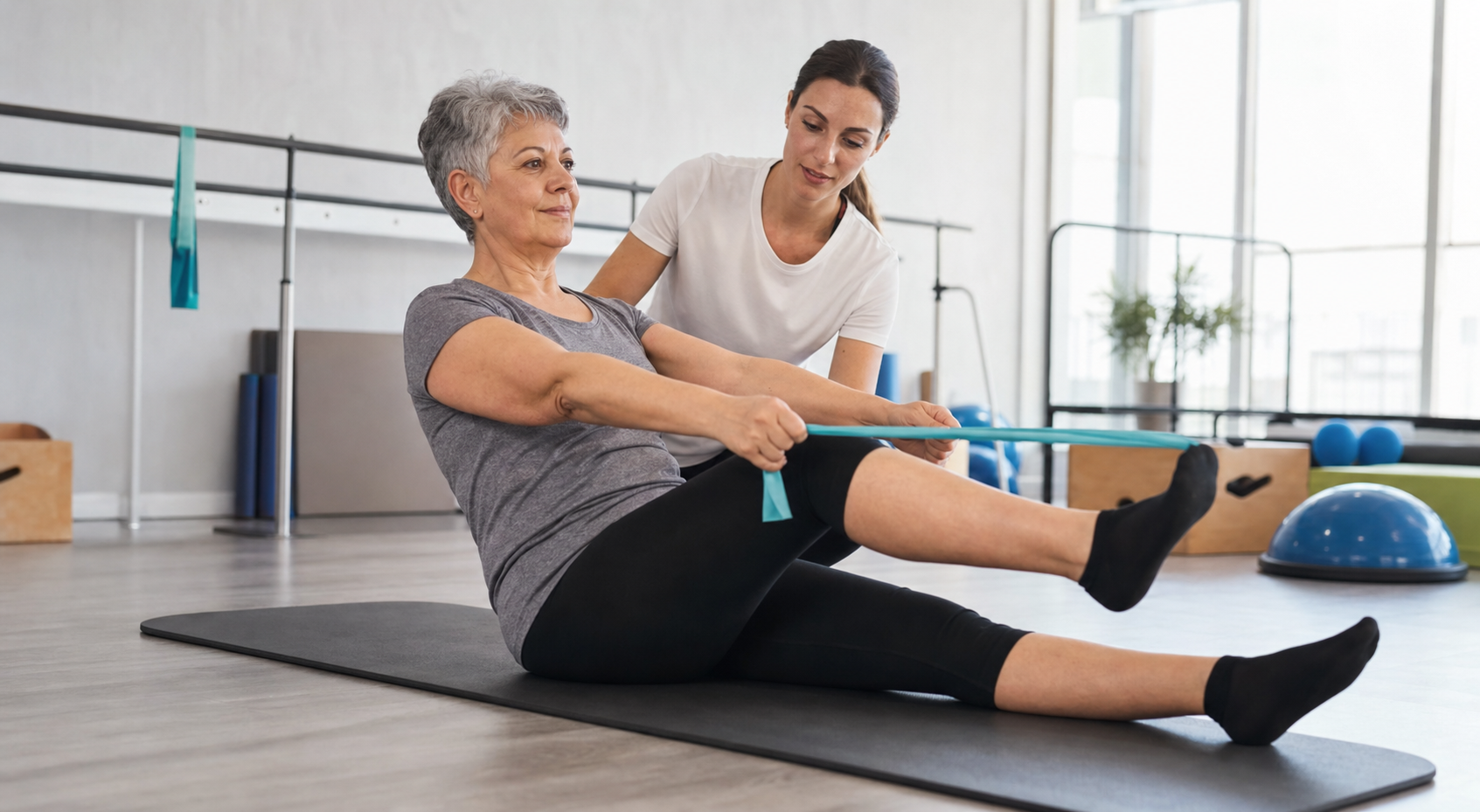
A new review of Pilates-based exercise programs reports potential improvements in functional mobility, balance, walking endurance, fatigue, and quality of life for adults with multiple sclerosis. The analysis included 22 randomized controlled trials with 901 participants and compared structured Pilates approaches, including home-based and telerehabilitation formats.
The strongest signals were in practical movement outcomes. Pilates ranked first for functional mobility and balance in the network analysis, while a combined Pilates and telerehabilitation approach ranked highest for the 6-minute walk test. The authors cautioned that the evidence was not high certainty because of sparse networks, bias risk, heterogeneity, imprecision, and limited follow-up.
Why it matters for lifters
For lifters, the takeaway is not that Pilates should replace strength training. It is that controlled, low-impact work can support coordination, trunk control, fatigue management, and walking capacity in populations that need more careful exercise dosing. Coaches working with clients who have neurological conditions should read this as a rehab-adjacent signal, not a green light for generic hard training.
What to watch next
Watch for larger trials that compare specific Pilates formats, track long-term adherence, and report adverse events clearly. The most useful future work would show which people with MS benefit most, how programs should be progressed, and when supervised rehabilitation is safer than home-only sessions.
Health disclaimer: This article is for informational purposes only and is not medical advice. People with multiple sclerosis, balance problems, fatigue, pain, or other medical conditions should consult a qualified clinician before changing exercise or rehabilitation routines.