

Source credit: GeroScience, indexed in PubMed: “PROMETHEUS clinical trial protocol: tailoring healthy ageing with lifestyle and nutraceuticals”. DOI: 10.1007/s11357-026-02394-6.
Short summary
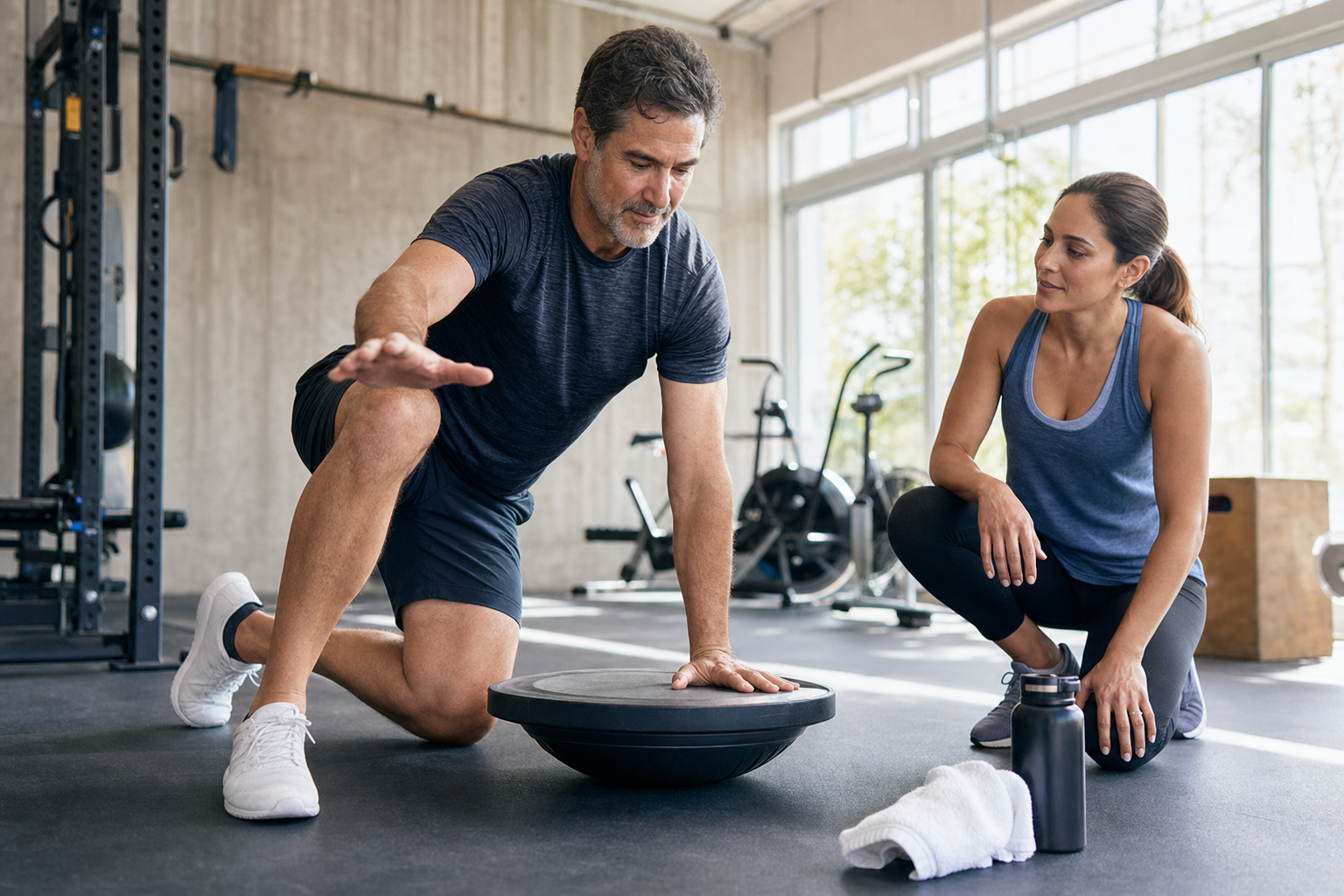
A July 3 PubMed-indexed GeroScience paper describes the PROMETHEUS protocol, an eight-week feasibility and exploratory healthy-aging study in 20 middle-aged-to-older adults. The protocol combines several moving parts: sleep and dietary recommendations, supervised exercise with an exergaming component, motivational interviewing, cognitive behavioral therapy, and selected nutraceuticals including whey protein and creatine.
The study is designed to test recruitment feasibility, safety, adherence, and early outcome trajectories rather than prove that the program slows aging. Planned outcomes include muscle strength and mass, immune function, cognitive performance, biomarkers of aging, trial completion, and adherence. The authors also describe personalized adjustments based on baseline traits and mid-intervention response.
Why it matters for lifters
For lifters, the useful angle is the protocol’s emphasis on basics before biohacking claims: training supervision, diet, sleep, adherence, behavior support, and measurable strength and muscle outcomes. Whey protein and creatine appear in the protocol, but this paper should not be read as proof that a supplement stack improves longevity or reverses aging.
The practical takeaway is more grounded: healthy-aging research is increasingly treating strength, muscle mass, cardiorespiratory fitness, recovery, and behavior change as connected targets. Older lifters and coaches should keep focusing on progressive training, adequate protein from the whole diet, sleep, and medical context instead of chasing isolated biomarkers or untested anti-aging claims.
What to watch next
The key question is whether the planned longer randomized trial shows benefits beyond feasibility. Future evidence will need larger samples, control groups, longer follow-up, clear adverse-event reporting, and separation of which parts of the program matter most: supervised exercise, sleep, diet, behavioral support, supplements, personalization, or the full package.
Health disclaimer: This article is for informational purposes only and is not medical advice. It should not be used to diagnose, treat, prevent, or manage aging-related disease, frailty, cognitive decline, or any medical condition. Talk with a qualified clinician before changing training, supplements, diet, or medications, especially if you have a medical condition or take prescription drugs.