

Source credit: PubMed record for a 2026 randomized controlled trial in The Journal of Nutrition, Health & Aging.
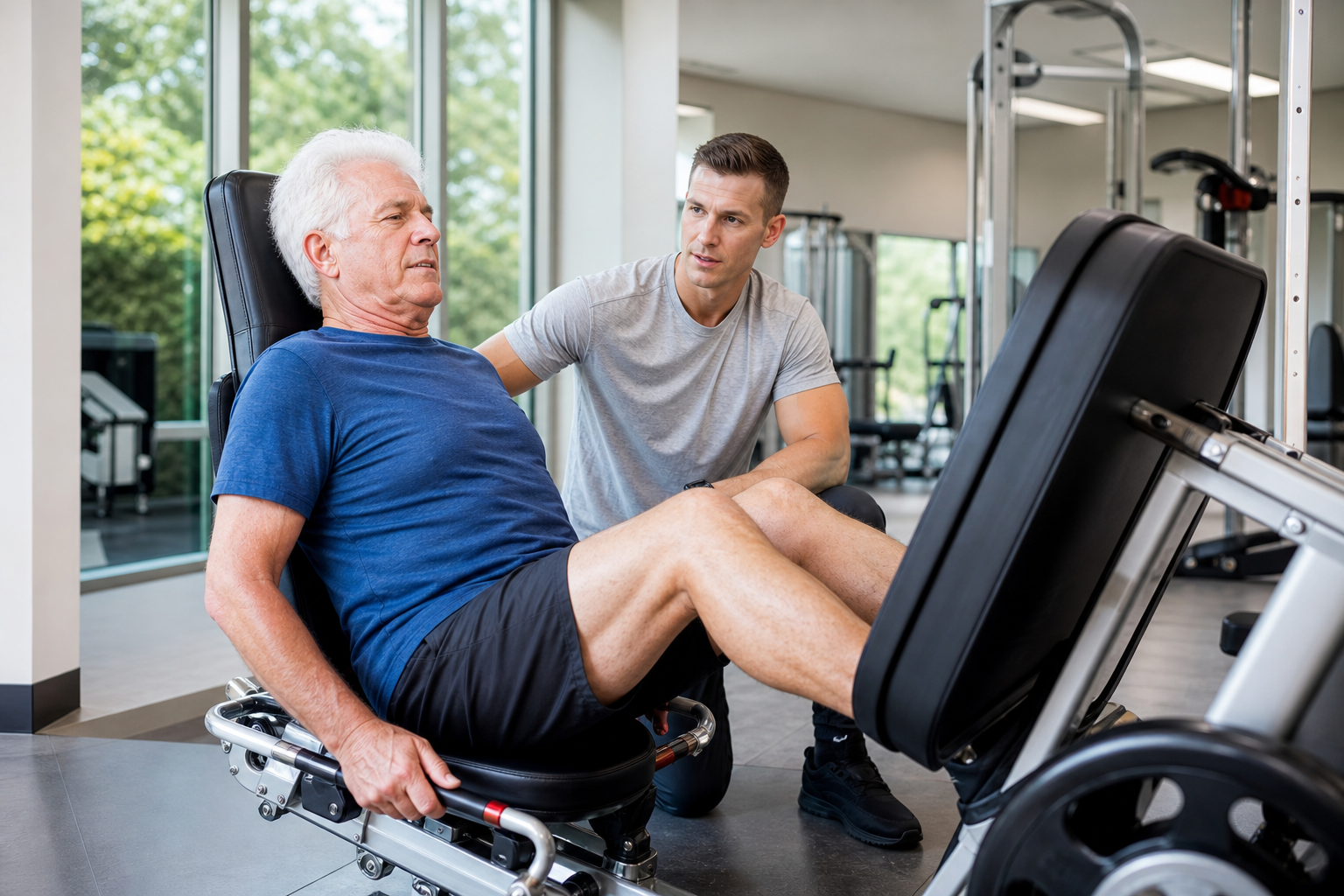
A June 2026 PubMed-indexed randomized controlled trial followed 295 frail community-dwelling older adults through 12 weeks of supervised progressive resistance training. Adding tailored protein counseling and whey support did not produce bigger overall gains in strength, lean mass, or physical performance than training alone.
The most useful signal was more targeted: in exploratory subgroup analysis, participants who started with lower habitual protein intake appeared to gain more leg-press strength when protein support was added. That makes the study less of a blanket supplement endorsement and more of a reminder to match nutrition advice to the athlete’s starting point.
Why it matters for lifters
Protein is important, but this trial reinforces that it works inside a complete plan. The resistance-training program remained the core stimulus, and extra protein looked most relevant when baseline intake was low. For lifters, coaches, and older adults trying to preserve muscle, the practical move is to assess total intake, training consistency, appetite, recovery, and medical context before simply adding another shake.
What to watch next
The authors described the low-intake finding as exploratory, so it needs confirmation in larger trials. Watch for future research that separates frail older adults, active older lifters, and healthy recreational trainees, because those groups may respond differently to protein timing, dose, and training intensity.
Disclaimer: This article is for informational purposes only and is not medical advice. Older adults, people managing frailty, and anyone changing protein intake or exercise after illness should talk with a qualified health professional.