
Older Adults May Need Different Lifting Speeds for Strength and Function
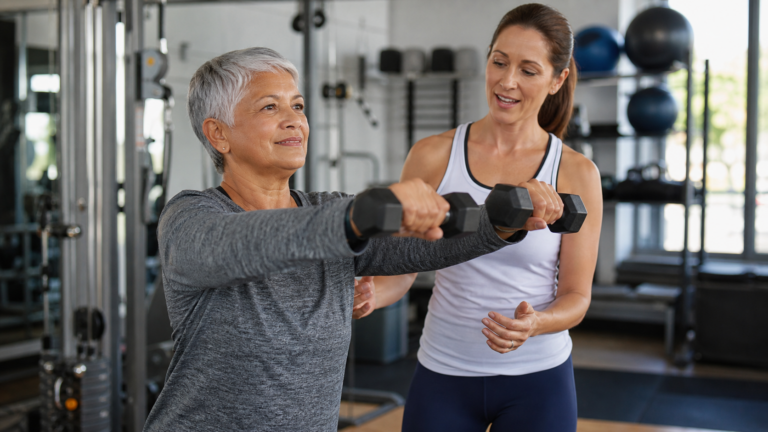
A July 2026 review suggests older adults may benefit from different resistance-training velocities depending on whether the goal is muscle, strength, or functional performance.
Training articles, exercise technique, programming notes, and workout education.
A July 2026 review suggests older adults may benefit from different resistance-training velocities depending on whether the goal is muscle, strength, or functional performance.
A Frontiers in Nutrition perspective argues exercise and protein guidance should move beyond bare-minimum targets toward strength, recovery, and healthspan.
A PubMed-indexed cohort study links improving lifestyle behaviors, including physical activity and sleep, with better cognitive-health outcomes in older adults.
A June 2026 randomized trial suggests protein support during resistance training may matter most for older adults who start with lower habitual protein intake.
UC Berkeley researchers identified a sleep-linked growth hormone circuit, adding context for lifters who treat sleep as part of recovery.
Source credit: This article is based on a PubMed-indexed systematic review and network meta-analysis in the Journal of the International Society of Sports Nutrition: PMID 42384726, DOI 10.1080 A new review compared creatine, beta-alanine, and combined creatine plus beta-alanine supplementation…
A PubMed-indexed PeerJ review links structured exercise programs with better sleep markers, with recovery takeaways for lifters.

A PubMed-indexed meta-analysis suggests protein supplements may help some athletes, but the clearest benefits may reflect unmatched total calorie intake rather than protein alone.
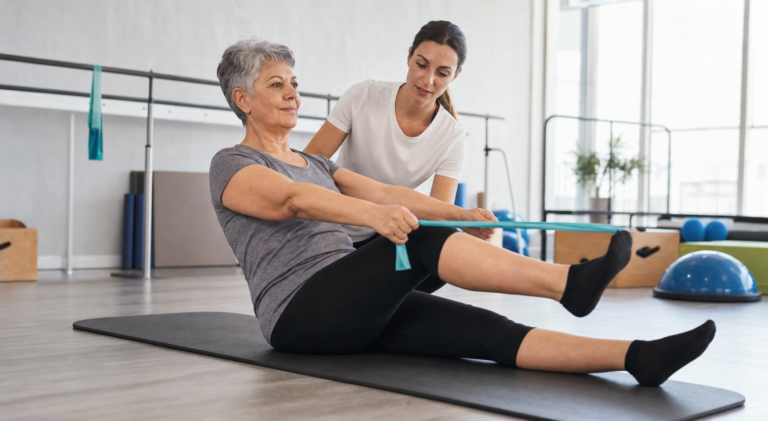
A PubMed-indexed review reports that Pilates-based programs may improve mobility, balance, walking endurance, fatigue, and quality of life for adults with multiple sclerosis, while calling for more rigorous trials.
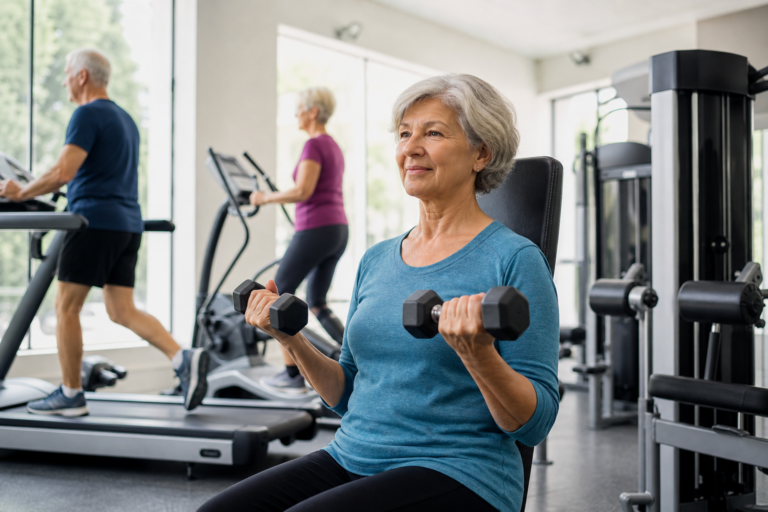
A 2026 meta-analysis found aerobic, resistance, and combined exercise training improved cardiorespiratory fitness markers in healthy adults ages 60 and older.